Just How To Read A Peptide Purity Test: Hplc, Mass Spectrometry And Coa Analysis For Uk Researchers 2026
Peptide Pureness Guide 98%, 99% & Research-grade Discussed Prg
" Mass spectrometry responses "is the detected substance regular with the intended peptide identity? " Together they supply more powerful batch-level proof than either approach alone. In the common peptide COA context, top pureness usually describes the portion of total chromatogram location represented by the major peptide height.- Documents review asks whether the record is batch-specific, traceable, and outlined sufficient to be investigated.
- The pureness of peptides is generally examined making use of high-performance liquid chromatography (HPLC).
- We supply all the technological information and instructions for each and every action of peptide synthesis and evaluation.
- When you see peptides marketed as "research-grade," it describes their meant use and the level of producing oversight.
Quality Control And Item Conformity In The Pharmaceutical Sector
Not every application demands 99% purity, and filtration is a significant part of peptide production price. Trace quantities of solvents made use of during synthesis and purification-- acetonitrile, dimethylformamide (DMF), dichloromethane-- can remain in the end product. These are commonly present at extremely reduced levels in correctly manufactured peptides and are controlled by ICH Q3C guidelines for appropriate limits. If the target peptide's height represent 99.1% of the overall top location, the peptide is reported as 99.1% pure by HPLC. Many respectable research peptide suppliers utilize third-party laboratories; some conduct internal testing with publication of research laboratory credentials.
HPLC can Peptide Science reveal the visibility of additional optimals; LC-MS can aid assign likely identifications to those relevant types. Oxidation adjustments molecular residential properties and can move retention behavior, developing distinctive chromatographic heights or associated mass changes. With each other, these devices supply a clear and detailed photo of peptide make-up, ensuring researchers can trust their data. Kai is the lab's AI research study assistant-- powered by Claude (Anthropic) and GPT (OpenAI)-- responsible for technical writing, literature review, COA verification, and substance evaluation.Unlike a manufacturer's in-house screening, independent third-party laboratory validation is objective and provides unbiased outcomes, including trustworthiness through objective analytical information. This procedure is important for maintaining high peptide high quality because the peptide market is greatly uncontrolled in numerous areas, and without validation some vendors may use unclean, mislabeled, or perhaps counterfeit peptides [3] Ensuring that each set goes through appropriate lab testing assists confirm the peptide's credibility and pureness, which is crucial for both research study validity and safety and security. Peptide purity describes the percentage of your example that is the correct, full-length peptide series, without other peptide-related contaminations. For instance, a pureness of 98% suggests that 98% of the peptide material is the desired item, while the other 2% may be unwanted residues of synthesis (such as insufficient sequences or amino acid removal variants).
Just How Pureness Is Determined: Hplc Clarified Simply
These are useful in the best setting, yet they must be interpreted as method-specific evidence instead of a global substitute for HPLC and MS. Yet peptide purity is probably the solitary most important quality statistics for any research peptide. It straight affects the reliability and reproducibility of experimental results. A peptide noted at 75% pureness and one at 99% purity aren't simply different grades-- they can create meaningfully different end results in the exact same assay.
Complementing HPLC, laboratories use Mass Spectrometry (typically combined as LC-MS) to confirm the peptide's molecular weight and sequence identity. Mass spectrometry gives molecular verification by finding the specific mass of the peptide and any type of co-eluting species or abbreviated series with high accuracy. Together, HPLC and MS data Scientific Supplier allow experts to validate that the peptide's structure matches what it ought to be (right amino acid series and expected adjustments) and that no significant contaminants are present. 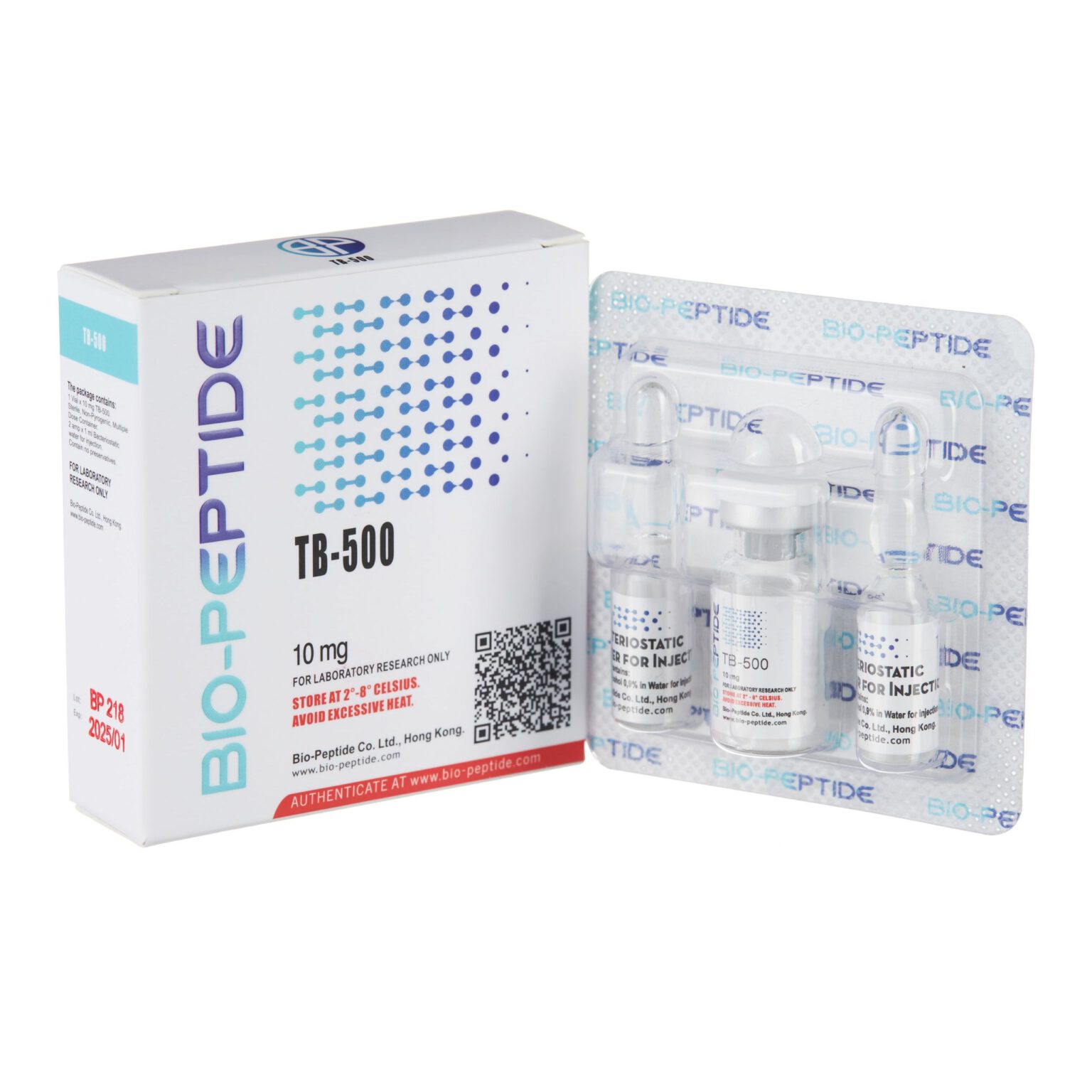
High pureness is desirable due to the fact that also small impurities might hinder speculative results or interpretations. This write-up will break down just how peptide pureness is measured, why it stands out from peptide identity, what the usual pureness degrees (95%, 98%, 99%) signify, and what "research-grade" means in practice for peptide reagents. Many peptide programs run into logical unpredictability prior to they fall short scientifically. We make use of sophisticated reverse-phase HPLC to identify the purity of customer peptide examples.
Explore our brochure to see verified study compounds and discover more about our screening and quality assurance process. Also small pollutants can change results, reduce reproducibility, or introduce undesirable variables right into a research. Researchers rely on exact, verified compounds to guarantee their searchings for are both valid and regular.
A sample could produce a clean-looking chromatogram with one leading height and still be the incorrect compound if identification was never validated. HPLC procedures separation and loved one peak location; mass spectrometry procedures mass-to-charge habits that can be used to verify molecular identification. Peptide pureness testing is the process of validating that a peptide example includes only the intended series-- and no significant contaminants or by-products from synthesis. Due to the fact that peptides are produced via complex chemical procedures, trace contaminations can develop naturally. Examining enables scientists to understand exactly what's in the vial, confirming both identity and high quality. Picking a trusted third-party laboratory is key to obtaining reputable peptide validation results. 